2 Nov 2026
The Interplay Between Broadcast Delays and Real-Time Odds Fluctuations in International Matches
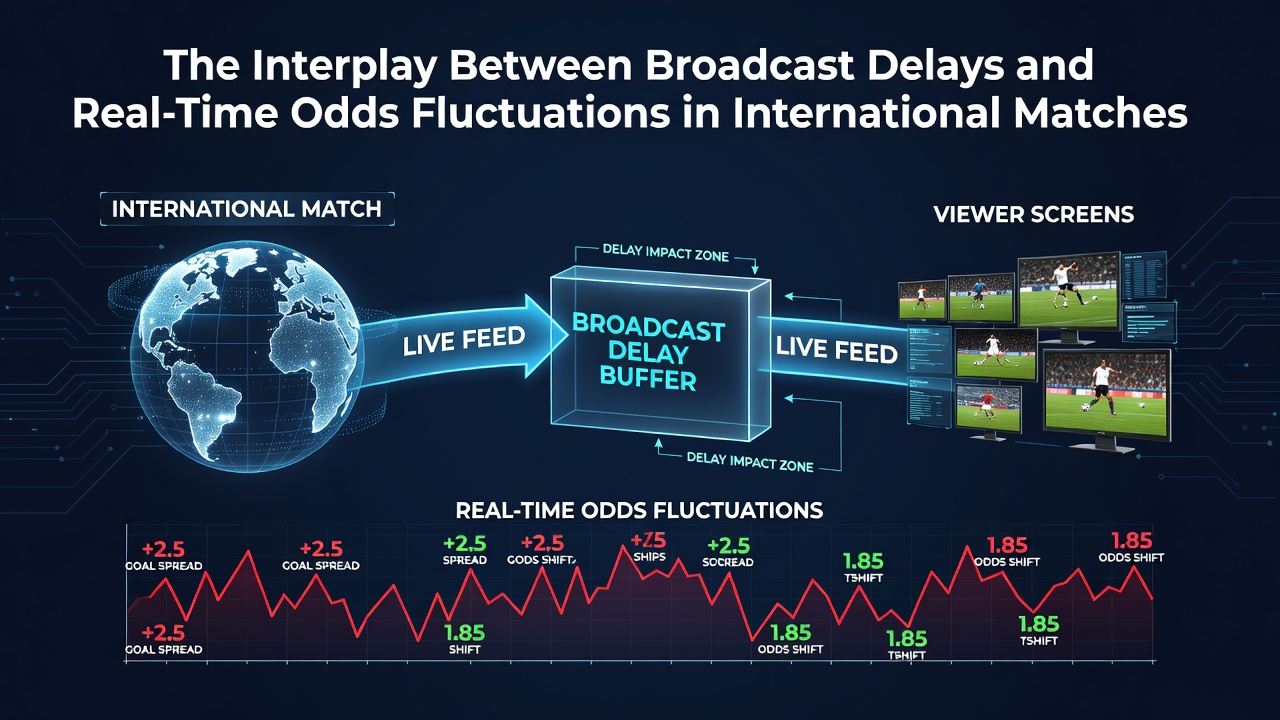
International matches generate rapid shifts in live betting markets, yet broadcast signals often reach viewers several seconds after events occur on the field. This timing gap creates measurable effects on how odds move in real time. Data from major tournaments shows that goal announcements and card decisions trigger immediate volume spikes, while the underlying broadcast latency determines when those changes reach most bettors.
Mechanics Behind Signal Latency
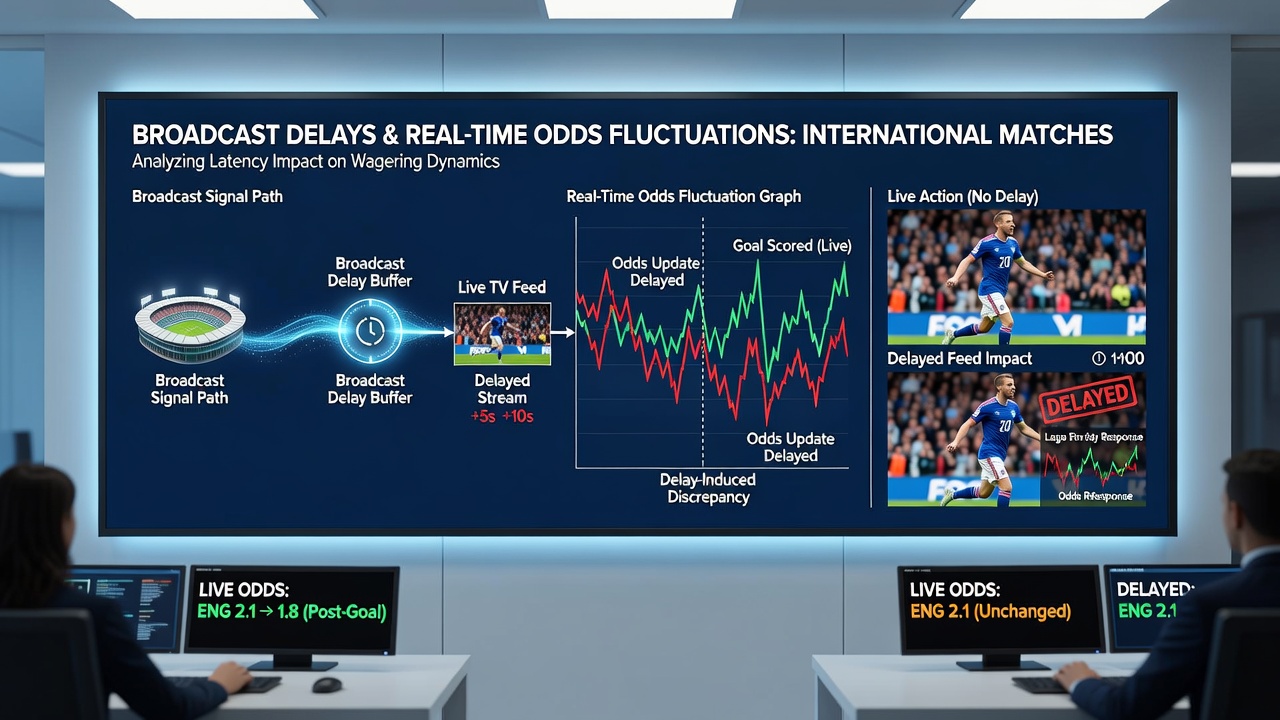
Television feeds travel through multiple processing stages that include encoding, satellite uplinks, and distribution networks. Each stage adds fractions of a second, and the cumulative delay typically ranges between four and twelve seconds for standard international broadcasts. Observers note that these intervals vary by region and provider, with some services using additional buffering that extends the gap further. Researchers tracking match data across European and South American qualifiers have recorded consistent patterns where live odds platforms react within one to three seconds of the actual event, well before the delayed feed reaches home viewers.
Odds Movement Patterns During Live Play
Bookmakers adjust prices using a combination of automated algorithms and manual oversight once verified data arrives from official feeds. When a goal occurs, sharp bettors with venue access or faster data streams place wagers before the broader market incorporates the information. Studies of Premier League and Champions League fixtures reveal that odds on the scoring team tighten by an average of 15 to 25 percent within the first five seconds after the event, while markets tied to the delayed broadcast remain static for an additional period. This creates brief windows where prices reflect pre-event probabilities even though the outcome has already changed.
Evidence from Recent Fixtures
During November 2026 World Cup qualifying matches, analysts documented pronounced divergence between pitch-side reactions and televised odds adjustments. One South American qualifier produced three goals where betting volumes surged on the leading side before the broadcast feed updated the score graphic. Similar timing discrepancies appeared in Asian confederation playoffs, where regional betting exchanges recorded elevated activity in the seconds immediately following each goal. Figures from these events indicate that markets with integrated data partnerships corrected faster than those reliant solely on broadcast signals.
Technological and Regulatory Factors
Advancements in low-latency streaming have narrowed some delays, yet traditional satellite and cable paths retain longer intervals. Regulatory frameworks in different jurisdictions address data fairness through requirements on information sources rather than broadcast timing. Reports compiled by the Australian Gambling Research Centre highlight how operators must maintain consistent data feeds to prevent unequal access across user groups. Canadian provincial regulators have examined similar issues in cross-border wagering, noting that latency differences can influence settlement accuracy when events unfold faster than the visible feed.
Industry organizations such as the European Betting and Gaming Association have published guidelines on real-time market integrity that emphasize verified data over visual confirmation. These documents stress the need for operators to align odds engines with official timing systems rather than public broadcasts. Academic analyses from institutions tracking global wagering volumes show that matches with higher broadcast delays correlate with increased arbitrage activity in the opening minutes after major events.
Market Participant Responses
Professional syndicates monitor multiple data channels to identify discrepancies between actual events and market pricing. Retail bettors relying on standard television coverage encounter these shifts after the fact, resulting in reduced ability to capitalize on early movements. Data sets covering international tournaments demonstrate that markets stabilize once the broadcast delay window closes, usually within fifteen seconds of the initial price change. Operators have responded by incorporating multi-source verification that includes referee communications and goal-line technology outputs, reducing dependence on visual signals alone.
Conclusion
Broadcast delays and live odds fluctuations interact through measurable timing gaps that affect market behavior across international fixtures. Research from multiple regions documents how these intervals shape betting volumes and price corrections without altering the underlying event outcomes. Continued refinement of data delivery systems and regulatory standards continues to influence how quickly markets reflect on-field developments.