19 Oct 2026
How Social Media Sentiment Shapes Real-Time Adjustments in Sports Wagering Markets
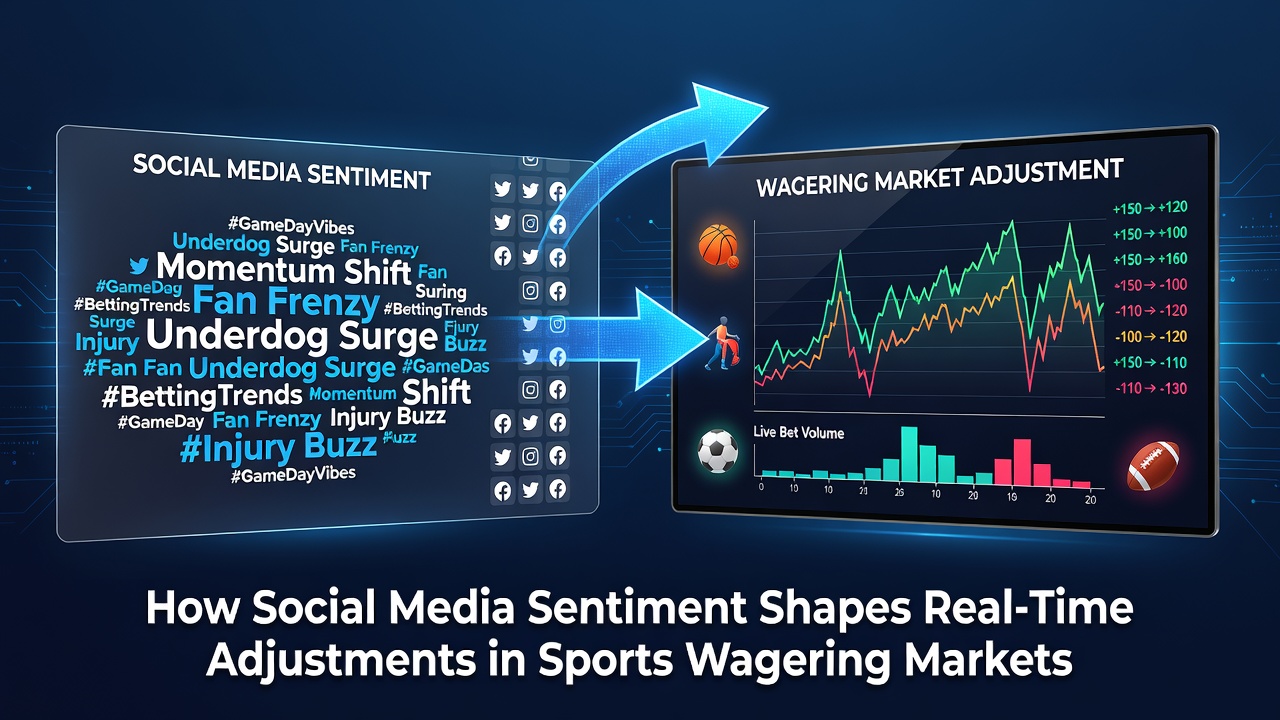
Bookmakers track social media platforms in real time to detect shifts in public opinion that can influence betting volumes, and these observations feed directly into odds recalculations during live events. Platforms such as X, Instagram, and TikTok generate constant streams of commentary that analysts convert into sentiment scores, which then trigger automated or manual adjustments to wagering lines. In October 2026 the overlap of NFL midseason games and European football leagues created frequent spikes in online discussion that operators monitored closely.
Monitoring Tools and Data Pipelines
Operators deploy natural language processing systems that scan posts for keywords, emojis, and trending hashtags associated with specific athletes or teams. These tools assign numerical values to positive or negative tones and aggregate results across geographic regions to predict where betting action might concentrate. When a sudden surge of negative commentary surrounds a quarterback's performance in a Thursday night game, for instance, algorithms flag the pattern and alert risk managers within seconds. The same systems cross-reference historical data sets to distinguish routine fan banter from material sentiment shifts that historically correlate with volume changes.
Integration with third-party data providers allows operators to layer social signals onto traditional inputs such as injury reports and weather updates. This layered approach produces a composite risk score that updates continuously throughout an event. Researchers at several universities have documented how these combined feeds reduce the lag between public perception changes and market responses compared with earlier decades when odds moved primarily on official news wires.
Real-Time Odds Movement Mechanics
Once sentiment thresholds are crossed, traders or automated engines revise point spreads, totals, and player prop lines. A cluster of posts questioning a star forward's fitness during an NBA preseason contest in October 2026, for example, can prompt a rapid widening of the spread by half a point or more within minutes. Liquidity providers on betting exchanges observe the same social volume and adjust their own offers, which in turn influences the broader market. The process creates a feedback loop in which visible odds movements themselves generate additional social commentary that operators must filter for noise.
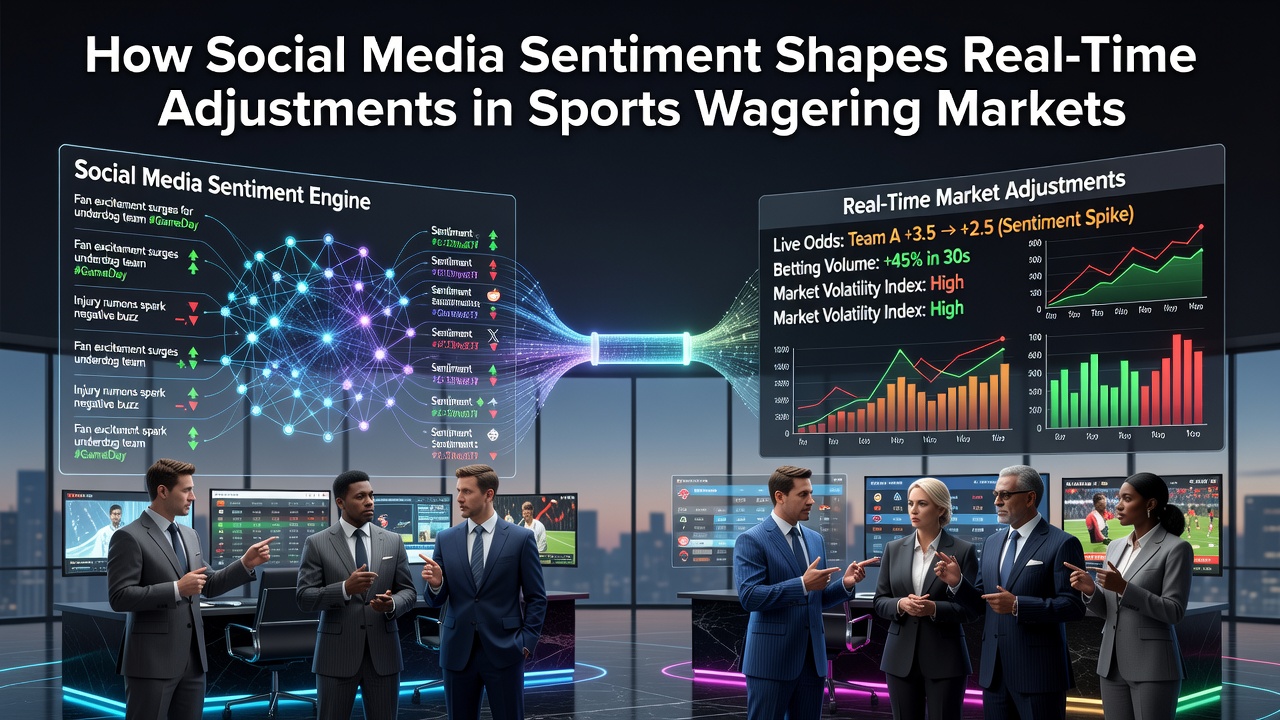
Market makers at major sportsbooks maintain dedicated social intelligence teams that operate alongside traditional trading desks. These teams review context around spikes in mentions, separating coordinated campaigns from organic discussion. When verified context supports a sentiment shift, adjustments occur faster than in previous years when reliance on slower broadcast commentary created longer windows of exposure. Data compiled by the American Gaming Association shows increased frequency of in-game line changes coinciding with peak social media activity periods during prime-time broadcasts.
Geographic and Platform Variations
Sentiment influence varies by region because platform usage patterns differ. In markets where X remains dominant for sports talk, operators weight those signals more heavily than in regions where local forums or messaging apps carry greater sway. Australian regulators have noted similar patterns in domestic sports, where sentiment spikes around rugby league matches often precede concentrated betting on underdog outcomes. European operators apply comparable methods during Champions League evenings, adjusting live markets as fan reactions to controversial referee decisions spread across multiple languages and time zones.
Language detection models help separate genuine regional sentiment from global echo effects. A rumor originating in one country can be discounted if it fails to register in local-language conversations closer to the event venue. This filtering reduces false positives that once led to unnecessary volatility in wagering lines.
Regulatory and Compliance Considerations
Gaming authorities in several jurisdictions require operators to maintain audit trails of how external data sources, including social media, influence market decisions. The Malta Gaming Authority, for instance, has issued guidance on transparency around automated trading systems that incorporate public sentiment inputs. Compliance teams document threshold settings and review logs to demonstrate that adjustments remain consistent with responsible market management principles. These records also support investigations into potential market manipulation when unusual sentiment patterns appear coordinated.
Industry associations continue to develop best-practice frameworks that address the speed at which social signals propagate. Workshops held in late 2026 focused on calibration techniques that balance responsiveness with safeguards against overreaction to isolated viral posts.
Conclusion
Social media sentiment has become an embedded variable in the infrastructure that supports live sports wagering markets. Continuous monitoring, combined with established risk protocols, enables operators to align odds with observed public perception shifts across multiple platforms and regions. As data pipelines grow more sophisticated, the interval between sentiment emergence and market response continues to narrow while regulatory oversight maintains documentation standards for these processes.