19 Oct 2026
How Player Transfer Rumors Alter Pre-Match Betting Volumes Across European Leagues
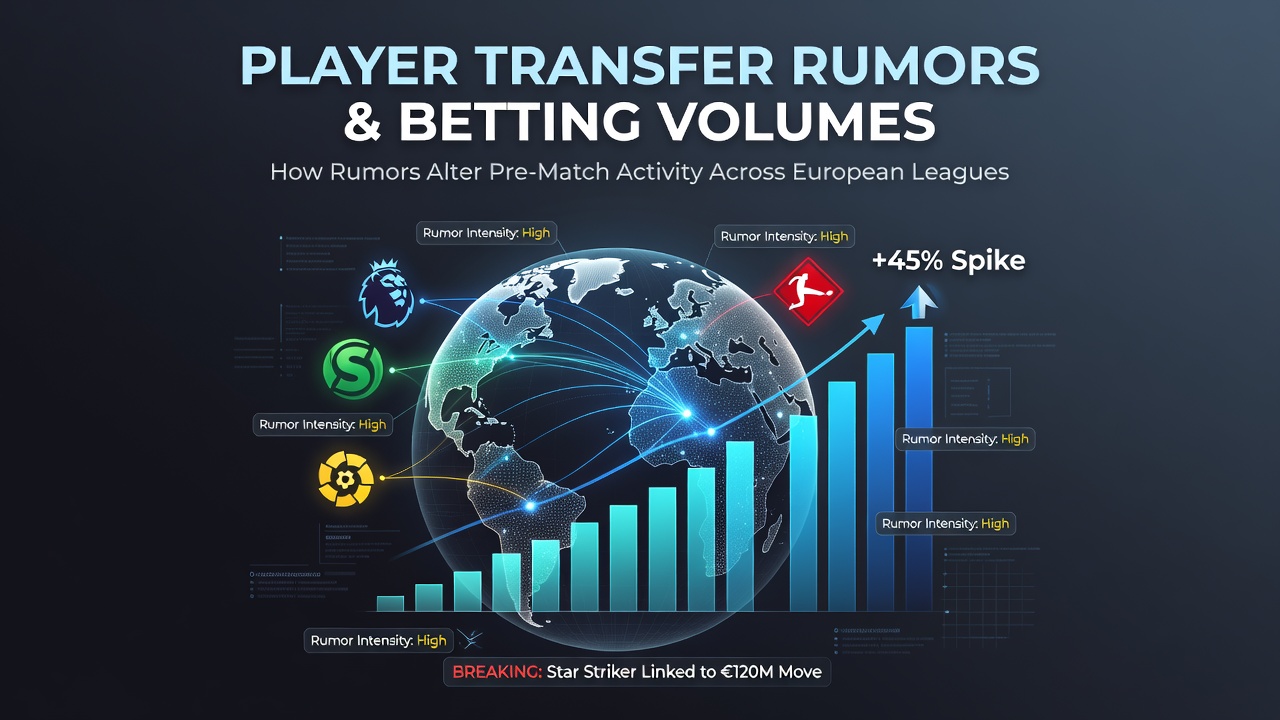
Player transfer rumors circulate widely during the European football season, and they often coincide with measurable shifts in pre-match betting volumes across major leagues. Data from betting operators shows that speculation about high-profile moves tends to concentrate activity in specific markets such as anytime goalscorer, player assists, and team total goals. These patterns appear consistently in the Premier League, Bundesliga, La Liga, and Serie A, where media coverage amplifies the reach of unconfirmed reports.
Market Dynamics Triggered by Rumors
Betting volumes respond quickly once a rumor gains traction on social platforms and sports outlets. A single story about a striker linked to a rival club can increase wagers on that player's performance metrics by 30 to 50 percent in the days leading up to a fixture, according to aggregated figures from several European operators. At the same time, overall match totals remain relatively stable because bettors focus on individual outcomes tied to the rumored player rather than broad match results. Researchers tracking these movements note that the effect peaks when the rumor involves a player whose departure would alter tactical setups for the upcoming weekend.
Regional Variations Across Leagues
Patterns differ by league and timing within the season. Bundesliga clubs experience sharper spikes during the winter window because squad depth is thinner and injuries compound the uncertainty around rumored exits. In contrast, Serie A sees steadier volume growth throughout October, when mid-table teams often field offers for key midfielders. La Liga data reveals that rumors involving South American players generate broader international interest, drawing bets from markets outside Europe and lifting exchange liquidity on player-specific props. The Premier League maintains the highest baseline volumes, yet the relative increase from a credible rumor still registers clearly in the 24 hours before kickoff.
Timing and Information Flow
October 2026 provides a clear window into these dynamics. Several clubs faced deadline-day speculation about forwards whose contracts expired the following summer, and pre-match betting on their goal tallies rose sharply even when the fixtures carried no direct title implications. Observers tracking order flow on major exchanges recorded sustained activity on those props until official denials emerged, at which point volumes reverted within hours. The same period showed that rumors originating from credible Italian outlets moved markets faster than those from less established sources, highlighting how information credibility influences bettor concentration.
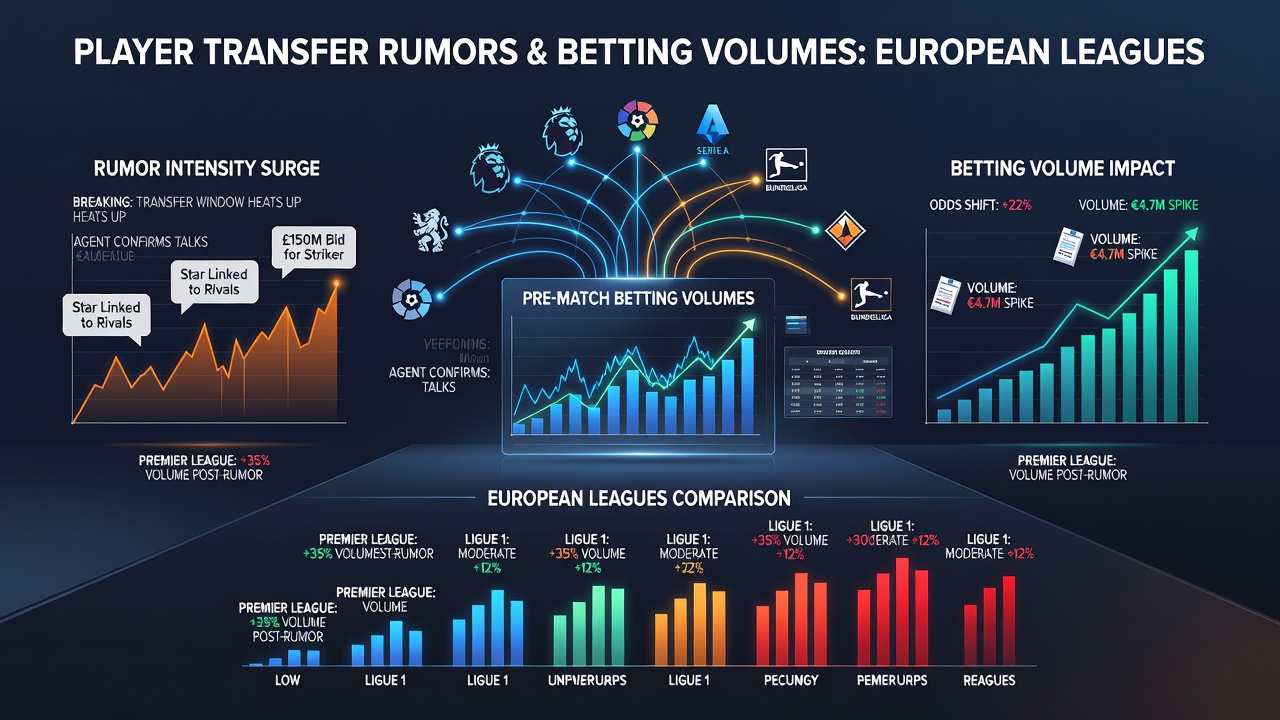
Bookmakers adjust limits and odds in real time when volumes surge, yet they rarely suspend markets outright. Instead, they widen margins on affected props while leaving core match-winner lines untouched. This selective response keeps overall handle stable even as specific segments experience concentrated action. Industry reports from the European Gaming and Betting Association indicate that such adjustments occur most frequently in the final 48 hours before matches involving clubs with active transfer stories.
Data Patterns and External Influences
Studies published in the Journal of Sports Economics have quantified the relationship between rumor intensity and volume growth using keyword tracking across major news sites. Their models show a positive correlation between the number of distinct outlets repeating a transfer link and the percentage increase in related bets. External factors such as concurrent international breaks or fixture congestion can either dampen or amplify the effect, depending on whether bettors shift attention to national-team selections. Canadian regulatory filings on cross-border betting activity further document that European transfer rumors occasionally drive elevated volumes from North American accounts, particularly when the players involved have established profiles in Major League Soccer.
Those who monitor exchange data note that in-play volumes remain largely unaffected by pre-match rumors, suggesting bettors treat the speculation as relevant only to the starting lineup and initial tactics. Once the match begins, focus returns to real-time events rather than off-field developments. This separation helps operators isolate risk and maintain separate liquidity pools for pre-match and live markets.
Conclusion
Transfer rumors function as a consistent driver of targeted betting volume across European leagues, concentrating activity in player-centric markets while leaving broader match outcomes comparatively steady. The scale of the shift depends on league characteristics, rumor credibility, and proximity to kickoff, with documented effects recurring each autumn window. Operators respond through dynamic limit adjustments, and academic tracking continues to map these movements against media coverage intensity. As October 2026 demonstrated, the pattern persists regardless of title implications, reinforcing the link between off-field speculation and pre-match wagering behavior.