5 Oct 2026
How Historical League Rivalries Reshape Long-Term Wagering Patterns in European Football
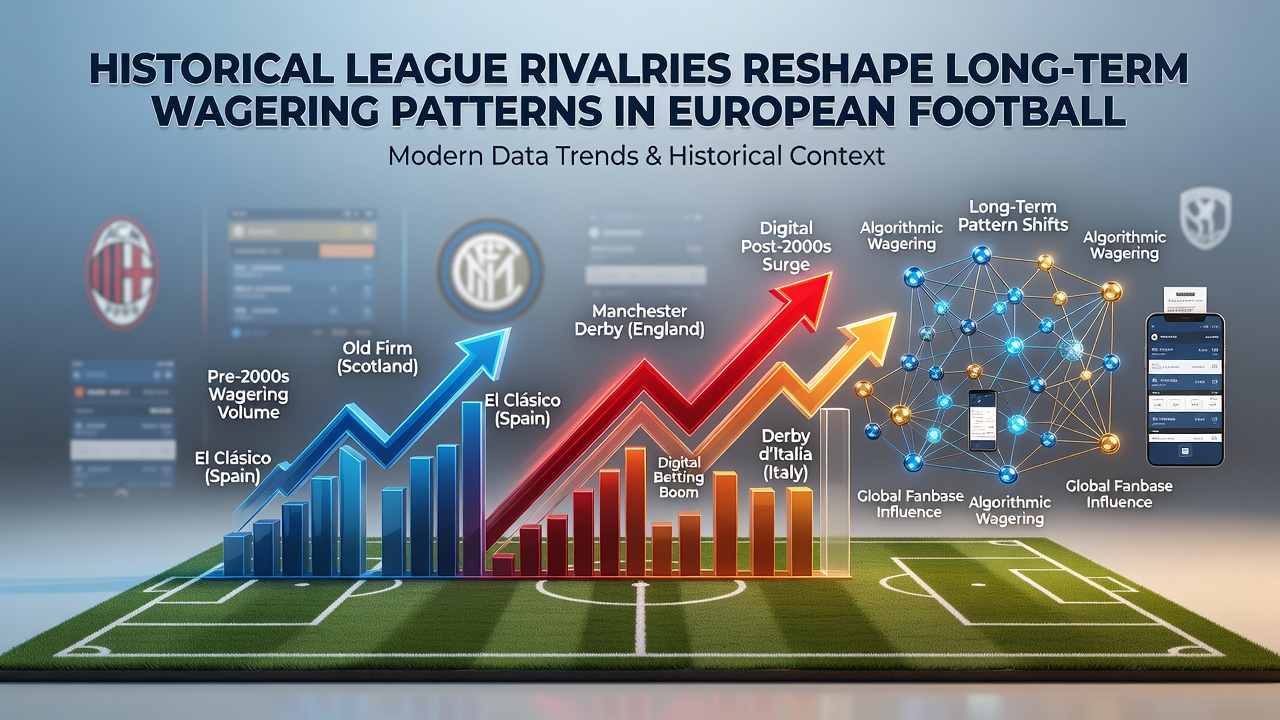
Rivalries in European football extend well beyond the pitch and shape betting volumes across multiple seasons, with data from major leagues showing sustained increases in stakes on matches involving clubs with deep historical animosities. These patterns emerge because supporters and casual bettors alike allocate larger portions of their wagers to these fixtures, which leads operators to adjust odds structures and liquidity pools accordingly over time.
El Clasico and Its Decades-Long Impact on Spanish Betting Markets
Real Madrid versus Barcelona fixtures have produced some of the most pronounced shifts in long-term wagering behavior across La Liga, and records indicate that betting turnover on these encounters has remained elevated compared to other high-profile games since the early 2000s. Operators report consistent spikes in pre-match and in-play bets on goal totals and player performances, while historical datasets reveal that odds for draw outcomes tighten more aggressively in the weeks leading up to these matches because historical results show a higher frequency of stalemates than in non-rivalry games.
Spanish regulatory filings from the Dirección General de Ordenación del Juego document how these matches contribute disproportionately to annual betting revenues, and the effect compounds across seasons as new generations of bettors inherit established patterns from earlier eras. Analysts tracking data through October 2026 note that similar volume surges appear in related markets such as Asian handicaps and correct-score bets, where historical head-to-head statistics guide the distribution of stakes.
Italian Derbies and Evolving Wagering Distributions
The Derby della Madonnina between AC Milan and Inter Milan, along with the Derby d'Italia involving Juventus and either club, demonstrates parallel effects on Italian Serie A betting markets, and long-term figures from operators show sustained preference for wagers on total goals and both-teams-to-score outcomes in these games. Historical records indicate that these rivalries produce more variable scorelines than average league fixtures, which prompts bettors to favor over/under markets at higher volumes year after year.

Research from academic institutions in Italy has tracked how these patterns persist across economic cycles, with data revealing that even during periods of reduced overall betting activity, derby fixtures maintain elevated participation rates. The same studies highlight that regional betting preferences influence which specific markets attract the most volume, as northern Italian bettors historically favor certain handicap lines while southern participants show different distributions in goal-related bets.
Broader European Patterns and Cross-League Comparisons
Similar dynamics appear in the Bundesliga between Borussia Dortmund and Bayern Munich, as well as in the Scottish Premiership with Celtic and Rangers, where long-term datasets indicate that these rivalries generate recurring increases in both domestic and international wagering activity. Figures from industry reports compiled across multiple countries show that such matches often account for outsized shares of seasonal betting turnover, and operators respond by maintaining deeper liquidity in associated markets throughout the campaign.
European Union statistics on gambling participation further illustrate how these historical rivalries create feedback loops: elevated media coverage drives initial interest, which then translates into repeated betting behavior across subsequent seasons. Observers note that this process stabilizes certain odds patterns, particularly in live betting segments where historical performance data receives heavier weighting during rivalry weeks.
Comparisons between leagues reveal that English football derbies, such as those involving Manchester United and Liverpool, follow comparable trajectories yet display faster shifts toward in-play markets than their continental counterparts. Data collected through October 2026 continues to reflect these regional distinctions, with northern European operators reporting steadier pre-match volumes while southern markets show stronger live-betting growth tied to rivalry intensity.
Conclusion
Historical league rivalries in European football continue to influence long-term wagering patterns through measurable increases in volume, adjusted odds structures, and sustained market preferences that persist across multiple seasons. Data from regulatory bodies and academic sources demonstrates that these effects operate consistently across major leagues, creating distinct betting ecosystems around specific fixtures that differ from standard league encounters. As seasons progress into 2026 and beyond, the established patterns provide a framework for understanding how past club histories continue to shape contemporary betting distributions.